The water flows muddy and brown into the sample jars at Cowichan District Hospital, a stark visual reminder of something invisible but potentially dangerous lurking within. It’s early morning, and maintenance staff have been collecting specimens since dawn—an unplanned addition to their daily routines since the Cowichan Valley Regional District issued a boil water advisory affecting the hospital and surrounding communities.
“We noticed it first in the staff washrooms,” says Marjorie Kelmen, a nurse who has worked at the aging hospital for nearly two decades. “The color was concerning enough that several of us reported it immediately.” She gestures toward the sink in the break room, where a handwritten sign warns: DO NOT DRINK.
The advisory, affecting the hospital and numerous healthcare facilities across Island Health’s jurisdiction, was issued after routine testing detected elevated turbidity levels—essentially, cloudy water containing potentially harmful contaminants. For a healthcare system already stretched thin, it’s an additional complication in delivering care safely.
Walking through the hospital corridors, the impacts are immediately visible. Water fountains sit covered with plastic bags and caution tape. In patient rooms, bottled water has replaced tap water for drinking and oral medication administration. The dietary department has completely revamped meal preparation protocols.
“Every aspect of our operation requires adjustment,” explains Carlos Mendez, operations director for the hospital. “From sterilization procedures to patient hygiene to simply providing drinking water—it’s a significant disruption that comes with substantial costs, both financial and operational.”
The hospital has been forced to implement emergency water management protocols that include trucking in bottled water, using alcohol-based hand sanitizers in place of handwashing where appropriate, and modifying certain medical procedures. According to Island Health, these measures will remain in place until water quality tests confirm the supply is safe.
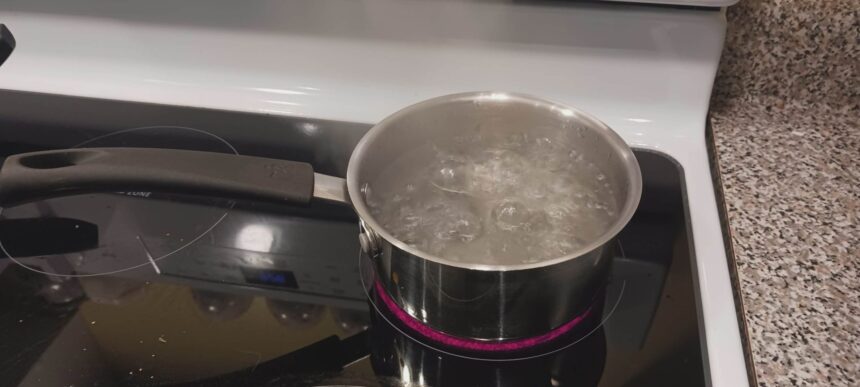
For the surrounding community, the advisory means thousands of residents must boil their water for at least one minute before consumption, food preparation, or brushing teeth. The advisory extends beyond residential areas to encompass several long-term care homes, clinics, and other health facilities in the region.
The Cowichan Valley Regional District’s environmental monitoring team identified the problem during routine testing when samples showed turbidity levels exceeding 1 NTU (Nephelometric Turbidity Unit), the threshold at which boil water advisories are typically triggered. Higher turbidity can interfere with disinfection methods and potentially harbor disease-causing microorganisms.
“What makes this situation particularly challenging is the timing,” notes Dr. Sylvia Wong, a public health physician with Island Health. “We’re approaching cold and flu season, when hygiene practices are especially crucial for preventing community spread of respiratory illnesses.”
At the Ts’ewulhtun Health Centre, which provides health services to Cowichan Tribes members, staff have been distributing bottled water to elders and families with infants. The center has also established a temporary water distribution point where community members can fill containers with treated water.
“Clean water is not a luxury—it’s a fundamental necessity for health,” says Joseph Norris, a health director at the center. “These disruptions have historical echoes for Indigenous communities who have long faced water insecurity issues across Canada.”
Indeed, while this advisory affects a diverse population, it highlights ongoing water quality challenges faced by many communities. According to data from Indigenous Services Canada, as of September 2023, there were still 33 long-term drinking water advisories in effect in First Nations communities across the country.
The region’s aging infrastructure bears much of the blame for the current situation. The water delivery system serving the hospital and surrounding areas includes components dating back to the 1970s. A comprehensive infrastructure assessment completed last year identified several vulnerable sections requiring replacement, but funding constraints have delayed implementation.
The hospital itself was built in 1967, and while a replacement facility is planned for completion in 2026, the current building struggles with infrastructure challenges. Internal plumbing systems compound external water quality issues, making the facility particularly vulnerable during advisory periods.
For hospital staff, the situation adds another layer of complexity to patient care. “We’re adapting minute by minute,” says charge nurse Damon Phillips. “For patients with compromised immune systems or those recovering from surgery, water safety isn’t just about convenience—it’s critical to preventing complications.”
The advisory has also prompted broader conversations about climate resilience in healthcare infrastructure. Heavy rainfall events, increasingly common as climate patterns shift in the Pacific Northwest, often precede turbidity issues in water systems. The relationship between changing precipitation patterns and water quality is becoming a focus for regional planners.
“What we’re experiencing is likely to become more common, not less,” explains Dr. Elaine Koerner, an environmental health researcher at the University of Victoria. “Healthcare facilities need to develop robust contingency plans for water disruptions as part of climate adaptation strategies.”
Back at Cowichan District Hospital, environmental services staff are conducting enhanced cleaning routines. “We’ve modified our protocols to use pre-mixed disinfectant solutions rather than mixing them on-site with tap water,” explains department supervisor Lena Matsuda. “It’s more expensive and time-consuming, but necessary under the circumstances.”
Outside the main entrance, a steady stream of delivery trucks brings more bottled water. Staff members help unload cases, stacking them in a repurposed conference room that now serves as a water distribution center.
The regional district expects the advisory to remain in place for at least another week while system flushing and testing continue. For the hospital and surrounding healthcare facilities, this means maintaining emergency measures that strain already limited resources.
As I leave the hospital grounds, I notice patients’ family members arriving with their own water jugs and thermoses—a small gesture of community resilience amid disruption. It’s a reminder that while infrastructure may be invisible when functioning properly, its failure reveals just how dependent our health systems are on these fundamental services.
The water flowing from taps may appear clear again soon, but the questions raised by this disruption—about aging infrastructure, climate preparedness, and health system resilience—will remain long after the advisory is lifted.