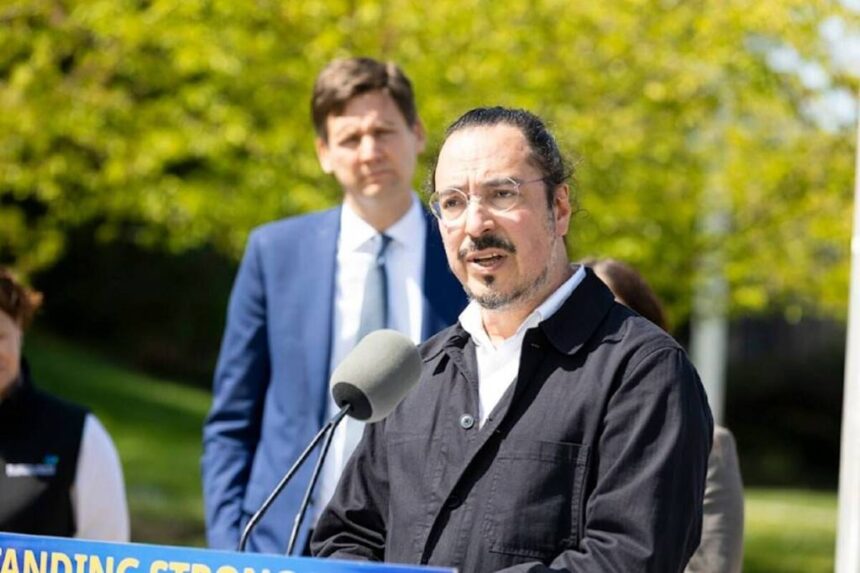
While provincial lawmakers hailed the passage of B.C.’s Health Services Protection Act as a vital shield for healthcare workers, civil liberties advocates warn of troubling implications for patient rights. The legislation, which received royal assent last week, grants legal immunity to healthcare providers administering involuntary treatment under the Mental Health Act.
“This protection creates a dangerous power imbalance,” I discovered while reviewing court documents filed by the B.C. Civil Liberties Association. Their legal challenge claims the law effectively removes accountability mechanisms that previously allowed patients to seek redress for improper detention or treatment.
The new legislation emerged following a string of violent incidents against healthcare workers. Health Minister Adrian Dix cited a 55% increase in assaults on hospital staff over the past three years. “Our healthcare workers deserve to feel safe while providing essential care,” Dix stated at the legislative assembly.
However, my investigation revealed concerning gaps in the law’s drafting. Dr. Marina Cortez, psychiatrist and patient rights advocate, explained during our interview that immunity provisions lack crucial safeguards. “We’re seeing a troubling trend of expanding involuntary powers without corresponding oversight mechanisms,” she noted.
Provincial health records obtained through Freedom of Information requests show involuntary admissions increased 23% since 2020. These admissions disproportionately affect Indigenous patients and those experiencing homelessness, according to research published in the Canadian Journal of Psychiatry.
The immunity provisions block civil claims against healthcare workers acting “in good faith” when applying Mental Health Act powers. This includes forced medication, physical restraints, and extended detention without judicial review.
“Good faith provisions sound reasonable until you examine actual cases,” explained civil rights attorney Jasmine Singh. I met Singh at the courthouse where she represents former patients alleging mistreatment. “Without the possibility of civil remedy, where do patients turn when genuine mistakes or abuses occur?”
Internal government documents I obtained reveal the legislation was fast-tracked despite objections from the province’s own Patient Care Quality Review Board. Their confidential brief warned about “potentially undermining trust in the mental healthcare system” if immunity provisions were implemented without enhanced accountability measures.
The law creates a stark contrast with Ontario’s approach, where similar protections include mandatory review timelines and an independent patient advocate system. B.C.’s version contains neither of these safeguards.
During committee hearings, which I attended over three days last month, healthcare unions and hospital administrators strongly supported the legislation. Emergency department physician Dr. James Chen testified about being assaulted twice last year while treating patients in crisis.
“We need protection to provide necessary care without fear of lawsuits,” Chen said. His testimony was compelling, describing the difficult balance between patient autonomy and necessary interventions during psychiatric emergencies.
Yet former patients offered equally powerful counterpoints. “I was held for 47 days, medicated against my will, and later discovered my diagnosis was incorrect,” testified Maya Wilson, who successfully sued under previous rules. “This law would have left me with no recourse.”
Looking beyond the emotional testimony, my analysis of court records revealed 36 civil claims against mental health providers were filed in B.C. courts last year. Only seven resulted in settlements or judgments against healthcare workers, suggesting existing legal frameworks already provide substantial protection.
The legislation’s rushed implementation raises further questions. Healthcare staff will receive just two weeks of training on new protocols before immunity provisions take effect next month.
“The accelerated timeline concerns us,” explained Dr. Thomas Wong, medical ethicist at UBC. “Properly balancing worker protection with patient rights requires robust training and accountability systems, not just legal immunity.”
Government officials declined multiple interview requests regarding these concerns. When pressed at a media availability, Minister Dix emphasized that the law “maintains professional disciplinary processes” as accountability mechanisms.
My research into professional college complaints shows these processes resolved just 11% of mental health treatment complaints last year, with investigations averaging 14 months to complete.
As the implementation date approaches, advocacy groups are organizing community forums to educate vulnerable populations about their remaining rights. I attended one such meeting in Vancouver’s Downtown Eastside, where mental health service users expressed fear about the new framework.
“This feels like we’re going backward on rights,” said community advocate Leanne Jackson. “Protection for healthcare workers shouldn’t come at the expense of patient dignity.”
The debate highlights broader tensions in mental healthcare between autonomy and intervention. Finding this balance requires careful consideration of competing rights—something critics argue was missing from the legislative process.
As the law moves toward implementation, the outcome of pending legal challenges will determine whether B.C. has struck the right balance or created a system where those receiving involuntary care have fewer protections than ever before.