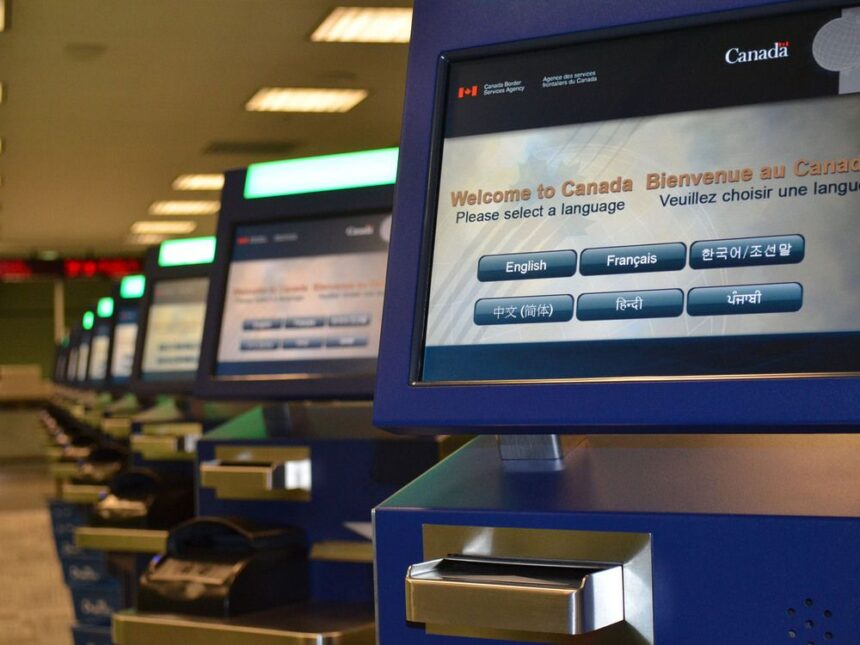
The Canada Border Services Agency is floating significant changes to how international travelers with brief stopovers in Canadian airports are processed—a move that could potentially streamline connections while raising new security considerations for thousands of daily passengers.
According to documents I obtained through industry consultations, the CBSA has proposed eliminating the current requirement for in-transit international travelers to clear Canadian customs during short layovers. This would bring Canadian practices closer to those used at major European hubs like Amsterdam’s Schiphol or London Heathrow, where connecting international passengers remain in secure transit zones.
“The existing process creates bottlenecks that frustrate travelers and reduce our airports’ competitiveness,” explained Sarah Thornton, aviation policy director at the Canadian Airports Council, during a stakeholder meeting I attended last week in Ottawa. “When someone flying from Tokyo to Mexico City connects through Vancouver, forcing them through Canadian customs adds nearly an hour to their journey with no tangible security benefit.”
The proposal comes as Canadian airports struggle to recapture international traffic post-pandemic. Data from Statistics Canada shows connecting passenger volumes through Toronto Pearson and Vancouver International remain 18% below 2019 levels despite global air travel’s robust recovery.
Finance Minister Chrystia Freeland acknowledged these challenges during a recent economic outlook briefing. “Our international gateway airports face fierce competition from American alternatives,” Freeland noted. “Every policy choice that impacts connection efficiency directly affects Canada’s position in global transportation networks.”
The current system requires all arriving international passengers to clear Canadian customs and immigration regardless of their final destination. This often means retrieving checked luggage, clearing customs, rechecking bags, and passing through security screening again—even for travelers merely connecting to another international flight.
Walking through Pearson’s Terminal 1 last month, I spoke with Raj Patel, who was connecting from London to Santiago. “I’ve started avoiding Canadian connections entirely,” he told me while waiting to recheck his bags. “I had just 90 minutes between flights, and I’ll barely make it. Next time I’ll route through the States despite preferring to fly through Canada.”
Industry estimates suggest the policy change could affect upwards of 8,000 daily international-to-international connecting passengers across Canada’s major airports. Air Canada and WestJet have both publicly supported the proposal, suggesting it could strengthen their competitive positions against U.S. carriers.
However, the Public Service Alliance of Canada, representing customs officers, has expressed concerns. “This isn’t just about convenience—it’s about maintaining border integrity,” said Jean-Pierre Fortin, National President of the Customs and Immigration Union, when I reached him by phone. “Creating transit zones where passengers effectively bypass Canadian screening creates potential security vulnerabilities that need careful consideration.”
The proposed changes would require significant physical modifications to Canadian airports. Vancouver International has already begun preliminary design work on dedicated international transit corridors that would physically separate connecting passengers from those entering Canada.
Airport authorities estimate implementation costs between $25-45 million per major international terminal, with construction potentially beginning as early as 2025 if regulatory approval moves forward.
Transport Canada officials have acknowledged the proposal but remain cautious about security implications. “We’re weighing efficiency gains against our paramount responsibility to maintain border security,” said Deputy Minister Michael Keenan at last month’s transportation safety conference. “International best practices show this can be done effectively, but implementation must be tailored to Canadian circumstances.”
For smaller communities, these changes could improve connectivity to global destinations. Jennifer Matthews, tourism director for Victoria, BC, emphasized this point during a regional economic forum. “When international travelers face complicated connections through our hubs, they often choose simpler U.S. routing options. Streamlining these connections makes smaller Canadian destinations more accessible to the world.”
Parliamentary transportation committee documents reveal that consultations have been underway since late 2023, with a formal recommendation expected by this fall. Any policy change would require modifications to existing customs regulations rather than new legislation.
The debate highlights the delicate balance Canada must strike between security priorities and economic competitiveness in an interconnected global transportation market. As one senior CBSA official told me on background, “The question isn’t whether we can technically implement transit zones—we certainly can—but whether the security protocols we design around them meet Canadian standards.”
For regular Canadian travelers, the most visible impact would be potentially less congested customs halls as thousands of connecting passengers are removed from processing queues. Whether these changes move forward will ultimately depend on how security considerations are addressed in the final proposal.
As the consultation process continues, stakeholders from airlines to border security experts will weigh in on finding the right balance between facilitating travel and maintaining Canada’s reputation for thorough border management.