In the complex dance of resource development and reconciliation, sometimes it takes just one offhand remark to illuminate the distance still remaining between Ottawa’s promises and Indigenous realities.
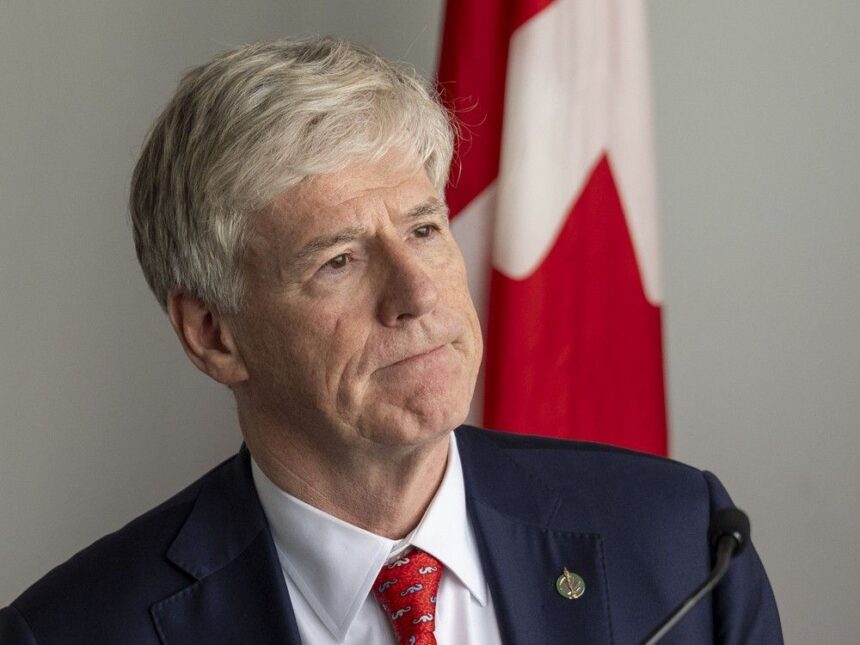
Energy Minister Jonathan Wilkinson found himself backpedaling this week after suggesting Coastal First Nations with concerns about the TMX pipeline expansion could simply meet over Zoom rather than expect in-person consultation. The comment, made during testimony to the House of Commons natural resources committee, sparked immediate backlash from Indigenous leaders and opposition critics.
“I sincerely apologize,” Wilkinson stated Wednesday, acknowledging his suggestion was “disrespectful to Indigenous peoples.” The minister clarified that while virtual options became normalized during the pandemic, the federal government recognizes the importance of face-to-face meetings with Indigenous communities, particularly on matters affecting their traditional territories.
The controversy centers on ongoing concerns from several First Nations about the Trans Mountain pipeline expansion project, which will triple the capacity of the existing pipeline carrying oil from Alberta to B.C.’s coast. Despite federal ownership of the pipeline corporation since 2018, consultation with affected Indigenous communities remains a contentious issue.
Chief Judy Wilson of the Union of BC Indian Chiefs didn’t mince words about Wilkinson’s initial suggestion. “This casual dismissal of meaningful consultation shows how far we still have to go,” she told reporters in Vancouver. “You cannot build true reconciliation through a computer screen.”
What makes Wilkinson’s comment particularly problematic is the timing – it comes just months after the Liberal government unveiled its long-promised United Nations Declaration on the Rights of Indigenous Peoples (UNDRIP) implementation framework, which explicitly emphasizes “meaningful consultation” as a cornerstone principle.
According to recent polling by the Angus Reid Institute, 68% of Canadians believe the government should prioritize in-person consultation with Indigenous communities on major resource projects, even if it extends timelines. This represents a significant shift in public opinion since 2018, when that figure stood at just 41%.
The gaffe also highlights the practical challenges facing remote communities. Many Coastal First Nations representatives have pointed out that reliable internet access remains inconsistent in their territories, making Zoom meetings not just impersonal but often technically impossible.
“It’s not just about respect,” explained Terry Teegee, Regional Chief of the BC Assembly of First Nations. “It’s about the practical reality that many of our communities still lack the digital infrastructure urban Canadians take for granted. When decisions impact our lands and waters directly, we deserve direct conversation.”
The political fallout was immediate. Conservative natural resources critic Shannon Stubbs called the minister’s comment “shockingly tone-deaf,” while NDP critic Charlie Angus suggested it revealed “the hollow core” of Liberal reconciliation efforts.
This incident emerges against the backdrop of increasing tension between the government’s climate commitments and its support for oil infrastructure projects. The $21.4 billion TMX expansion faces continuing opposition from environmental groups and several Indigenous communities concerned about potential oil spills and their impact on marine ecosystems.
For Grand Chief Stewart Phillip of the Union of BC Indian Chiefs, the incident represents a teaching moment. “When ministers make these kinds of statements, it reveals the unconscious biases still at work in government thinking. True reconciliation can’t be scheduled in a convenient 30-minute Zoom call.”
Industry observers note that successful resource projects increasingly depend on meaningful Indigenous partnerships. According to a 2023 report from the First Nations Major Projects Coalition, projects with robust Indigenous consultation are 35% more likely to proceed without major delays or legal challenges.
Wilkinson has now committed to visiting coastal communities in person, though no specific timeline has been announced. His office stated the minister “looks forward to productive, face-to-face discussions that honor the spirit of reconciliation and address specific concerns about the project.”
The question remains whether this apology represents a momentary misstep or reveals deeper institutional attitudes about consultation priorities. As one Indigenous leader put it: “Reconciliation happens in relationships, not in bandwidth.”
For the communities along B.C.’s coast who continue to raise concerns about the pipeline’s potential impacts on their territories, the minister’s Zoom suggestion felt like more than just a thoughtless comment – it felt like a symptom of a consultation process they already view as inadequate.
As pipeline construction continues and the government works to repair this latest rift, many Indigenous leaders are simply asking for what they’ve always wanted: a seat at the table – a real table, not a virtual one.