Article – I’ve just returned from British Columbia’s remote northern region where a small community’s tragedy has sparked a nationwide response. As communities across Canada rally behind the victims of a devastating grizzly bear attack, I’ve been speaking with those at the heart of this unfolding story.
“The outpouring of support shows who we are as Canadians when tragedy strikes,” said Chief Councillor Crystal Smith of the Haisla Nation, whose community launched the fundraising initiative that’s now gaining national attention.
Last week’s attack near Kemano, about 75 kilometers southeast of Kitimat, left one person dead and another seriously injured. Conservation officers are still searching for the bear responsible, with helicopter surveillance continuing throughout the rugged terrain.
The Haisla Nation promptly established a GoFundMe campaign that surpassed $50,000 in just three days. What began as a local effort has transformed into something much larger, as Canadians from coast to coast contribute to support the victims’ families.
“We’re seeing donations from Vancouver to Halifax,” noted fundraising coordinator James Wilson. “People who’ve never set foot in northern BC are reaching out asking how they can help.”
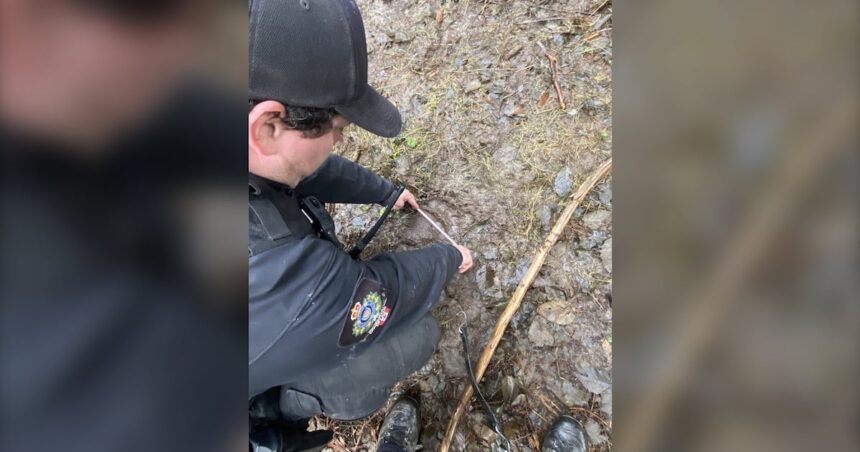
Conservation officers have deployed additional resources to locate the grizzly, using tracking dogs and trail cameras throughout the densely forested region. The BC Conservation Officer Service confirmed they’re treating the investigation with the highest priority, though the challenging landscape has complicated search efforts.
“This kind of terrain makes tracking incredibly difficult,” explained wildlife officer Sarah Thompson. “The forest is thick, visibility is limited, and we’re dealing with an animal that knows how to disappear.”
For communities in bear country, the incident has renewed conversations about wildlife management. Provincial data shows bear encounters have increased 12% over the past five years in northern BC, with habitat pressures and changing climate patterns potentially contributing factors.
Local resident Tom Harding, who’s lived in the area for thirty-two years, told me over coffee at Kitimat’s bustling Northern Grounds cafe that tensions between conservation and safety are always present.
“We respect the wildlife, we know we share this land,” he said, glancing out at the mountains visible through the cafe window. “But when tragedy strikes, it hits close to home for everyone who lives in these communities.”
The fundraising campaign has become more than financial assistance – it’s evolved into a symbol of collective support. Indigenous communities across the province have organized additional benefits, with proceeds directed toward long-term recovery needs.
“When someone’s hurt out here, it affects everyone,” said Matilda Johnson, an elder who’s helping coordinate a community dinner in Prince Rupert. “We might be spread out across this big province, but we look after each other.”
The funds will help with immediate medical costs, transportation expenses for family members, and provide support during what will be a lengthy recovery process. The individual injured in the attack remains in stable condition at Vancouver General Hospital, according to family representatives.
Wildlife experts note that while bear attacks remain statistically rare, they create lasting impacts on small communities. BC averages approximately three serious bear encounters annually, though fatalities occur only every few years.
“The psychological impact extends beyond those directly involved,” explained Dr. Karen Lee, a psychologist who specializes in trauma response in remote communities. “These events can create lasting anxiety for anyone who spends time outdoors.”
As autumn approaches and bears enter hyperphagia – an intense feeding period before hibernation – conservation officers have increased public education efforts throughout the region. They’re encouraging residents to secure attractants and travel in groups when in bear habitat.
Back in Ottawa, the response to this story has reminded me how Canadian identity often emerges most clearly in moments of crisis. Political divisions fade when communities face genuine hardship, something politicians would do well to remember during heated parliamentary debates.
For now, as the search continues and donations climb, the people of northern BC remain focused on supporting those affected while navigating the complex relationship between human communities and the wilderness that surrounds them.
Those wishing to contribute to the fundraising effort can find information through the Haisla Nation’s official channels.