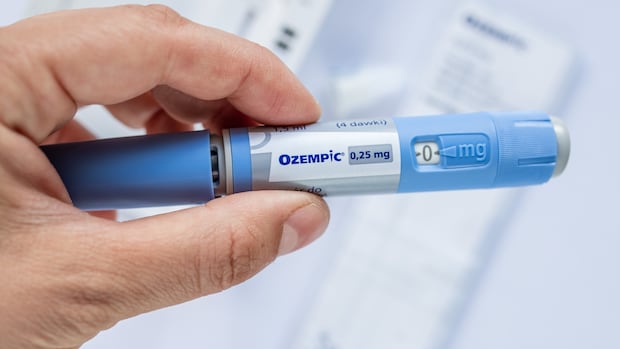
In a bright, glass-paneled waiting room in downtown Vancouver, Karen Westfield checks her phone, scrolling through American news about dramatic price cuts to Ozempic in the United States. As a Type 2 diabetes patient who relies on the medication, she’s wondering if similar relief might come to Canada, where she pays $230 monthly out-of-pocket.
“It feels like we’re always watching the U.S. healthcare drama from the sidelines, wondering if any benefits will trickle north,” she tells me, tucking her phone away. “The price drops sound amazing, but will they affect us at all?”
It’s a question I’ve been hearing increasingly from patients, healthcare providers, and policy experts across British Columbia as news spreads of Novo Nordisk’s decision to slash U.S. list prices for Ozempic by up to 50 percent. The blockbuster diabetes drug – which has gained additional fame as a weight-loss treatment – costs significantly less in Canada than in America, yet remains prohibitively expensive for many Canadians without comprehensive drug coverage.
Dr. Harpreet Bajwa, an endocrinologist at Vancouver General Hospital who treats patients like Karen, has noticed the uptick in questions. “Patients read these headlines and naturally want to know if they’ll benefit,” she explains during a brief break between appointments. “The pricing structures between our countries are quite different, but pharmaceutical pricing isn’t isolated by borders anymore.”
The American price reductions come as manufacturers face mounting pressure from multiple directions – competition from other GLP-1 medications, potential government price negotiations under the Inflation Reduction Act, and growing public scrutiny of insulin and diabetes drug pricing. While Ozempic’s Canadian list price has remained relatively stable, averaging between $230-280 per month depending on the province, American patients without insurance have faced costs exceeding $900 monthly.
According to Health Canada data, approximately 422,000 Canadians were prescribed GLP-1 medications like Ozempic in 2023, representing a 37% increase from the previous year. The surge stems from both increased diabetes diagnoses and off-label prescribing for weight management – creating unprecedented demand and occasional shortages.
Steve Morgan, a professor of health policy at the University of British Columbia, cautions against expecting immediate price relief in Canada. “Our pharmaceutical pricing system operates differently,” he explains from his book-lined university office. “The Patented Medicine Prices Review Board sets ceiling prices based on international comparisons, but companies rarely price at that maximum. They strategically position their products in each market.”
Canada’s current reference basket for drug pricing includes France, Germany, Italy, Sweden, Switzerland, the United Kingdom, and the United States. If American prices drop substantially, this could eventually influence Canadian pricing frameworks – but the path isn’t direct or guaranteed.
For Indigenous communities in northern British Columbia, where Type 2 diabetes rates can be two to three times higher than the national average, medication affordability presents particularly urgent challenges. When I visited the Carrier Sekani Family Services health center last month, nurse practitioner Joanne Marten described how Non-Insured Health Benefits coverage for First Nations patients helps but doesn’t eliminate barriers.
“Even with coverage, we still face issues with medication access, especially in remote communities,” Marten explained as we sat in the center’s community room. “If Canadian Ozempic prices decreased meaningfully, it would expand our treatment options for patients who might benefit but currently can’t access it.”
The pharmaceutical pricing landscape involves multiple stakeholders beyond just manufacturers. Private insurance formularies, provincial drug plans, and pharmacy markup all influence what patients ultimately pay. The pan-Canadian Pharmaceutical Alliance negotiates confidential rebates with manufacturers for public drug plans, meaning the true price paid by provincial health systems remains unknown to the public.
Marc-André Gagnon, a pharmaceutical policy researcher at Carleton University, suggests looking beyond headline price drops. “What matters is not just the list price but the actual reimbursed price after rebates and negotiated discounts,” he notes. “Canadian public drug plans likely already receive significant confidential rebates on Ozempic.”
When examining potential impacts of American price reductions, timing becomes crucial. Health Canada’s regulatory frameworks move deliberately, and any pricing adjustments would likely take months to materialize in Canadian pharmacies. Dr. Bajwa acknowledges this creates a challenging waiting period for patients.
“I’m having conversations daily with patients who struggle with the cost,” she says. “When they hear about price cuts elsewhere, it creates hope but also frustration with the lag time.”
Meanwhile, Karen Westfield has developed her own strategy while waiting to see if Canadian prices might eventually decrease. She’s working extra shifts at her dental hygienist job specifically to cover medication costs and has joined a diabetes support group that shares information about coverage options and pricing changes.
“It’s not just about the money,” she explains as we walk together after her appointment. “It’s about knowing the system values your health enough to make life-changing medications accessible.”
For Canadians watching American drug pricing developments, the situation highlights broader questions about pharmaceutical access and Canada’s incomplete patchwork of medication coverage. While the Ozempic price cuts represent a significant shift in America’s notoriously high-priced drug market, their impact on Canadian patients remains uncertain – caught between our interconnected economies and distinct healthcare systems.
As researcher Steve Morgan puts it: “Drug pricing never happens in isolation. What we’re witnessing is a recalibration in the global pharmaceutical market, and Canada will eventually feel those ripples – we just don’t yet know exactly how or when they’ll reach our shores.”