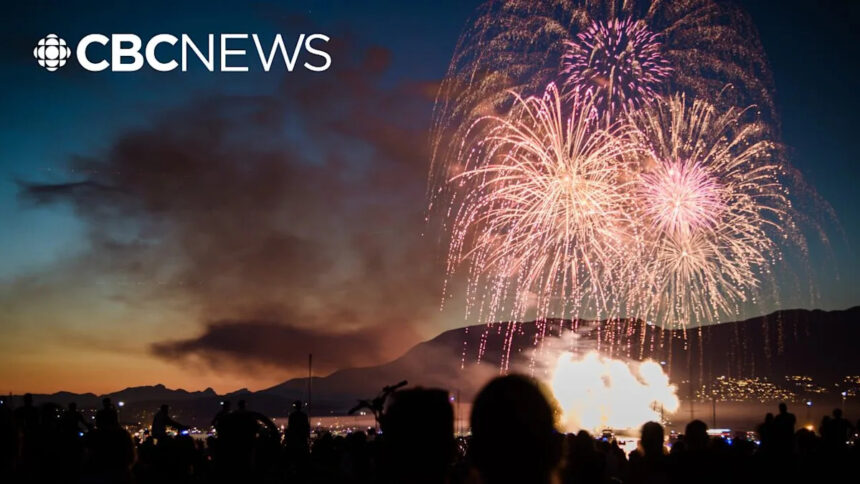
As the sun dips below Vancouver’s celebrated skyline, there’s a palpable absence this summer. The familiar anticipation that normally builds among locals and visitors for the Honda Celebration of Light – Vancouver’s beloved international fireworks competition – has been replaced with quiet disappointment and growing economic concerns.
After 30 years of lighting up English Bay, the summertime tradition has been extinguished for 2024, leaving restaurant owners, hoteliers, and small retailers facing an unexpected financial void during what should be their busiest season.
“We typically see our revenue double during fireworks weekends,” explains Sarah Chen, owner of West End’s Oceanview Café, just steps from English Bay. “That’s three big weekends that helped carry us through slower periods. This year, we’re already seeing fewer reservations for July and August.”
The festival, which routinely drew crowds exceeding 400,000 per night across three separate evenings, represented more than just spectacular pyrotechnics. For the local economy, it generated an estimated $170 million in economic impact annually, according to figures from Tourism Vancouver.
The cancellation comes despite the event’s consistent popularity. Festival producer Vancouver Fireworks Festival Society cited “rapidly rising production costs” and “funding challenges” as the primary reasons behind the difficult decision. The Society’s statement indicated that expenses had risen by nearly 40% since pre-pandemic levels, making the event financially unsustainable without significant additional support.
Downtown Business Improvement Association surveys reveal that 78% of businesses in the area reported the fireworks festival as one of their top three revenue-generating events of the year. For Stanley Park Brewing, which operates a restaurant with prime viewing spots, the cancellation represents a projected 15% summer revenue loss.
“We hire an additional 22 staff members specifically for those three weekends,” notes Marcus Wong, operations manager at Stanley Park Brewing. “That’s 22 people who won’t have those summer jobs this year. And that’s just our business.”
The ripple effects extend beyond restaurants and bars. Hotel occupancy rates during fireworks weekends typically approach 95% with premium pricing, according to the BC Hotel Association. This year, projections show occupancy may struggle to hit 80% during the same period.
The event’s absence is particularly challenging for businesses still recovering from pandemic disruptions. Mary Rodriguez, who owns a souvenir shop on Davie Street, puts it plainly: “First COVID, then inflation, now this. Small businesses like mine count on these big summer events – they’re our Christmas season.”
City Councillor Sarah Kirby-Yung expressed disappointment but acknowledged the financial realities. “The event costs have simply outpaced available funding sources,” she explained in a council meeting last month. “We’re actively exploring alternatives for 2025, but this year’s cancellation was unavoidable given budget constraints.”
The fireworks festival began in 1990 as the Symphony of Fire before Honda took over sponsorship, becoming one of Vancouver’s signature summer attractions. Its cultural significance extends beyond tourism dollars – it became a cherished tradition for generations of Vancouverites.
Community reaction has been swift and emotional. A Change.org petition calling for emergency funding to save the event gathered over 15,000 signatures within days of the announcement, though ultimately without success.
Transit providers are also adjusting expectations. TransLink spokesperson David Wong confirmed they’ll be revising summer staffing plans: “We typically add significant extra service on fireworks nights to handle the 200,000+ riders. Those resources will be redirected to other summer events.”
Some businesses are attempting to organize alternative events to draw crowds to the beaches. The West End Business Association is planning a series of sunset concerts and food truck festivals, though they acknowledge these won’t match the drawing power of the international fireworks competition.
Tourism Vancouver estimates the cancellation could result in approximately 25,000 fewer overnight visitors during what would have been fireworks weekends. For a tourism industry still rebuilding, this represents a significant setback.
“Events like the Celebration of Light aren’t just nice-to-haves, they’re economic engines,” explains Royce McKenzie, tourism industry analyst. “They fill hotel rooms, restaurants, and shops with visitors who spend money throughout the region.”
Provincial Tourism Minister James Crawford acknowledged the loss but pointed to other summer events that continue to draw visitors. “We recognize the significance of this event to Vancouver’s summer economy. Our ministry is working with stakeholders to enhance promotion of other regional attractions to help offset some of the impact.”
For now, English Bay’s shores will remain unusually quiet on those late July and early August evenings. Local residents like Emily Trudeau, who has attended the festival for 15 years, capture the emotional impact: “It’s not just about watching fireworks – it’s the community experience, sitting on the beach with thousands of others, all looking up in wonder together. That’s what we’re really losing.”
As Vancouver navigates this summer without its sparkling nighttime spectacle, the true impact remains to be calculated – in dollars certainly, but also in the less tangible currency of community tradition and shared experience.